
kategória
szerző
cím
sorozat
betöltés...
kiadó
betöltés...
ISBN
évszám
ár
-
leírás
Előrendelhető
A mezők bármelyike illeszkedjen
A mezők mind illeszkedjen


![László Mészáros - Natural Treasures of Transylvania [antikvár]](https://lira.erbacdn.net/upload/M_28/rek1/400/3168400.jpg "László Mészáros - Natural Treasures of Transylvania [antikvár]")
Natural Treasures of Transylvania [antikvár]
László Mészáros, Mészáros László
Officina 96 Kiadó
,
Megjelenés: 2002. január 01.

í: '(í í:| Vpmm'ÉÉMmForewordTransylvania is today part of Romania, and forms its central region. It is bordered north, east and south by the Carpathian Mountains. West lies Hungary, to which Transylvania was closely associated for over a thousand years. In the medieval era, Transylvania was ruled by a prince responsible to the Hungarian crown. At that time, the indigenous Romanians were largely serfs. When the Ottoman Turks defeated Hungary in 1526, Transylvania became an independent state, only to be later absorbed into the Habsburg...
online ár:
Webáruházunkban a termékek mellett feltüntetett fekete színű online ár csak internetes megrendelés esetén érvényes.
3580 Ft

Részletesen erről a termékről
Bővebb ismertető
í: '(í í:| Vpmm'ÉÉMmForewordTransylvania is today part of Romania, and forms its central region. It is bordered north, east and south by the Carpathian Mountains. West lies Hungary, to which Transylvania was closely associated for over a thousand years. In the medieval era, Transylvania was ruled by a prince responsible to the Hungarian crown. At that time, the indigenous Romanians were largely serfs. When the Ottoman Turks defeated Hungary in 1526, Transylvania became an independent state, only to be later absorbed into the Habsburg Empire. In 1867, it was officially merged into Hungary, after Hungary achieved a substantial degree of independence from Austria. Following the break up of the Habsburg Empire in the aftermath of the First World War, Transylvania found itself part of Romania, although to this day, theregion has been populated by significant numbers of ethnic Hungarians. The reader should be aware that most place names in Transylvania have a Hungarian equivalent which Hungarians still use. In this book, we have elected to use the current Romanian names where possible, even when they refer to villages and areas still inhabited entirely by Hungarians. The exceptions are certain historical regions for which no readily available Romanian term exists. Place names within them, however, are indicated by their Romanian equivalents. We hope that native Hungarians and Romanians will forgive these minor inconsistencies. Our reasoning has been purely practical, to encourage aU who pick up this book to visit this majestic land, and retrace László Mészáros's footsteps in person.
Termékadatok
Cím: Natural Treasures of Transylvania [antikvár]
Kiadó: Officina 96 Kiadó
Megjelenés: 2002. január 01.
Kötés: Vászon
ISBN: 9639464120
Méret: 300 mm x 240 mm
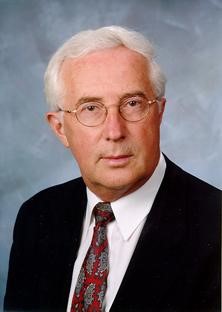
Mészáros László 1939. április 11-én született Csornán. 1956-ban, 17 évesen Amerikába disszidált.Többek között volt gyári munkás, szobafestő, laboratóriumi technikus, aztán cégvezető lett, és nevéhez egy olyan komoly technológiai újítás fűződik, amely felkeltette egy nemzetközi óriásvállalat, az Intel figyelmét. A MICE Program Alapítvány alapító elnöke.
Új vásárló vagyok!
új vásárlóval indíthatsz rendelést............