
kategória
szerző
cím
sorozat
betöltés...
kiadó
betöltés...
ISBN
évszám
ár
-
leírás
Előrendelhető
A mezők bármelyike illeszkedjen
A mezők mind illeszkedjen


![Plato - Dialogues of Plato [antikvár]](https://lira.erbacdn.net/upload/M_28/rek1/638/4552638.jpg "Plato - Dialogues of Plato [antikvár]")

INTRODUCTION
Plato is essentially a practical philosopher rather than a visionary or aloof theorist, and even the little that is known of his life indicates the variety of worldly experience and observation on which he based his mature thought. He was born at Athens about 427 b.c., the son of a prominent aristocratic family whose long tradition of leadership in the state he showed every promise of continuing. As a young man he won the Isthmian wrestling competition, wrote poetry and drama, and, most importantly, began a career in politics....
online ár:
Webáruházunkban a termékek mellett feltüntetett fekete színű online ár csak internetes megrendelés esetén érvényes.
3580 Ft

Részletesen erről a termékről
Bővebb ismertető
INTRODUCTION
Plato is essentially a practical philosopher rather than a visionary or aloof theorist, and even the little that is known of his life indicates the variety of worldly experience and observation on which he based his mature thought. He was born at Athens about 427 b.c., the son of a prominent aristocratic family whose long tradition of leadership in the state he showed every promise of continuing. As a young man he won the Isthmian wrestling competition, wrote poetry and drama, and, most importantly, began a career in politics. He was to be concerned with the realities of statesmanship throughout his life, in The Republic as well as in the unfinished dialogue of his old age. The Laws.
Like other young aristocrats of his time Plato was decisively influenced by Socrates, whose uncouth appearance and intellectual unorthodoxy made him a conspicuous enough figure in Athens to be caricatured by Aristophanes and martyred by the state. Holding a unique position as ethical leader of the young and unflagging conscience of the rulers and citizens of Athens, Socrates must have represented to Plato the pattern of the righteous man. Socrates' trial and execution in 399 b.c. was the major event in
ix
Termékadatok
Cím: Dialogues of Plato [antikvár]
Kiadó: Pocket Books
Kötés: Félvászon
Méret: 110 mm x 170 mm
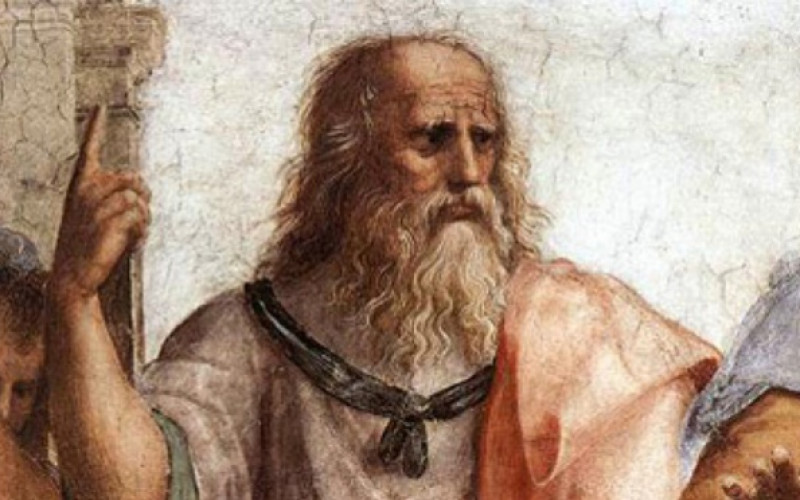
Platón, ókori görög filozófus, iskolaalapító. Hatása jelentős volt az ókori és a középkori filozófiára, művei manapság is viták és filozófiai vizsgálódások tárgyát képezik. Munkásságának nemcsak társadalomtudományi, hanem irodalmi értéke is nagy jelentőséggel bír.
Új vásárló vagyok!
új vásárlóval indíthatsz rendelést............