
kategória
szerző
cím
sorozat
betöltés...
kiadó
betöltés...
ISBN
évszám
ár
-
leírás
Előrendelhető
A mezők bármelyike illeszkedjen
A mezők mind illeszkedjen


![Daniel Defoe - English and american short Stories I-II. [antikvár]](https://lira.erbacdn.net/upload/M_28/rek1/293/4317293.jpg "Daniel Defoe - English and american short Stories I-II. [antikvár]")
English and american short Stories I-II. [antikvár]
Daniel Defoe, J. M. Wilson, Jane Barlow, John Hawkesworth, Laurence Sterne, Mary Russell Mitford, Sir Walter Scott, William Austin

INTRODUCTION
A SELECTION of shoTt stories in English which would show the full development of this class of literature would make a volume many times larger than the present, and would demand serious study of a somewhat strenuous character. The collection here offered has been planned, in the first place, for enjo3mient, but at the same time an attempt has been made to give, in broad outline, some idea of the development of the short story written in English, from the middle ages to our oavn time. The selection does not lay claim to any...
online ár:
Webáruházunkban a termékek mellett feltüntetett fekete színű online ár csak internetes megrendelés esetén érvényes.
12000 Ft

Részletesen erről a termékről
Bővebb ismertető
INTRODUCTION
A SELECTION of shoTt stories in English which would show the full development of this class of literature would make a volume many times larger than the present, and would demand serious study of a somewhat strenuous character. The collection here offered has been planned, in the first place, for enjo3mient, but at the same time an attempt has been made to give, in broad outline, some idea of the development of the short story written in English, from the middle ages to our oavn time. The selection does not lay claim to any critical or scholarly merit, but it is hoped that it may give a fairly clear impression of continuity sufficiently full enough to serve as a guide from century to century and supply material upon which an interested reader can work, if he feels inclined to go further in the pursuit of a fascinating subject.
The history of the English short story is the history of changing tastes and fashions, and in judging the relative values of the tales here offered this fact must be remembered. The reader must bear in mind that any given story has been
included not only for its intrinsic interest, but also to show the • }
character of the short story which was fashionable at a certain period. A tale which, on its own merits, would now be voted trite or sentimental, moralising or stilted, was at one time in our history highly acceptable to English readers, and therefore serves to hold up the mirror to the life of a bygone period.
This volume does not contain any examples of stories in verse, but in a review, however cursory, of the origin and development of the short story, the student must pay some regard to the tale told in verse, at all events in the early period, when this medium was usually chosen.
The literature of the Cathohc church is the earliest source of English short stories, and from this source two streams descend, one carrying on the idea of conveying a moral, the other aiming at giving aesthetic enjoyment. The former stream, so far as real literature is concerned, may be said to have dried up about the time of Samuel Johnson's Rasselas, while the latter has broadened and deepened into the finished
vii
I''
Termékadatok
Cím: English and american short Stories I-II. [antikvár]
Szerző:
Daniel Defoe
,
J. M. Wilson
,
Jane Barlow
,
John Hawkesworth
,
Laurence Sterne
,
Mary Russell Mitford
,
Sir Walter Scott
William Austin
Kiadó: J. M. Dent & Sons Ltd.
Kötés: Vászon
Méret: 120 mm x 180 mm
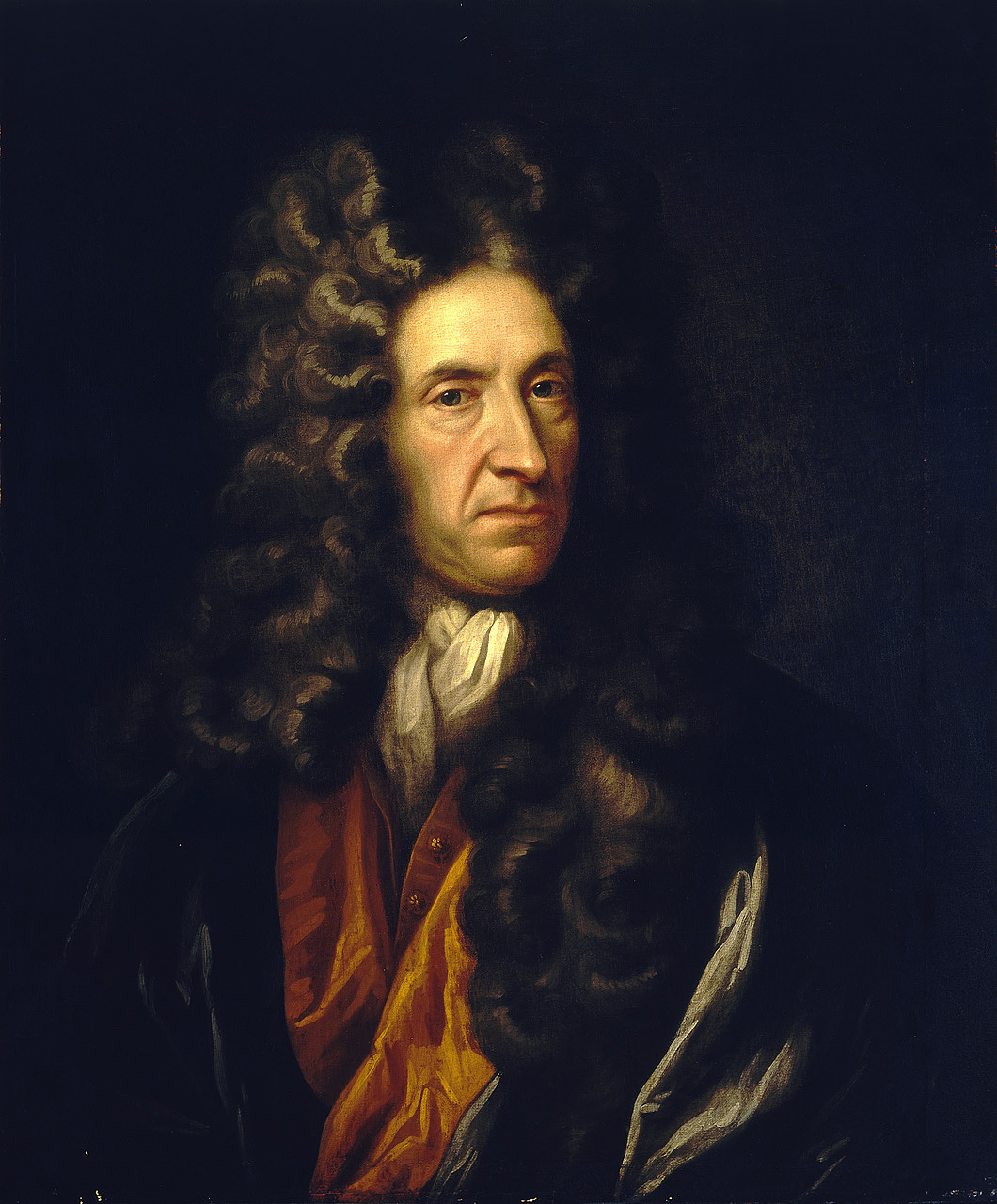
Daniel Defoe angol író, újságíró. Az angol felvilágosodás egyik nagy alakja. Az első angol regényíró. Több mint 500 könyvet írt. Legismertebb művei a Robinson Crusoe és a Moll Flanders.
Új vásárló vagyok!
új vásárlóval indíthatsz rendelést............