
kategória
szerző
cím
sorozat
betöltés...
kiadó
betöltés...
ISBN
évszám
ár
-
leírás
Előrendelhető
A mezők bármelyike illeszkedjen
A mezők mind illeszkedjen


![Adewale Maja-Pearce - Granta - The Magazine of New Writing 66, Summer 1999 [antikvár]](https://lira.erbacdn.net/upload/M_28/rek1/915/2498915.jpg "Adewale Maja-Pearce - Granta - The Magazine of New Writing 66, Summer 1999 [antikvár]")
Granta - The Magazine of New Writing 66, Summer 1999 [antikvár]
Adewale Maja-Pearce, Claire Messud, Elena Lappin, Javier Marias, Jayne Anne Phillips, Jillian Edelstein, Stacey Richter, William Fiennes

The Man with Two Heads
In the course of researching the story that follows I talked to Steven Spielberg, who made the film Schindler's List. Like the novel, Schindler's Ark, on which it is based, the film used fictional devices, invented scenes and dialogue, to dramatize fact. The film was such a popular success that it would be fair to say that many millions of people throughout the world received their primary instruction on the Holocaust through it. Spielberg diverted much of the profits from the film into another of his creations, the...
online ár:
Webáruházunkban a termékek mellett feltüntetett fekete színű online ár csak internetes megrendelés esetén érvényes.
2480 Ft

Részletesen erről a termékről
Bővebb ismertető
The Man with Two Heads
In the course of researching the story that follows I talked to Steven Spielberg, who made the film Schindler's List. Like the novel, Schindler's Ark, on which it is based, the film used fictional devices, invented scenes and dialogue, to dramatize fact. The film was such a popular success that it would be fair to say that many millions of people throughout the world received their primary instruction on the Holocaust through it. Spielberg diverted much of the profits from the film into another of his creations, the Shoah Foundation, which would record and videotape the memories of the Holocaust's real survivors—people as themselves and not played by actors, delivering their witness accounts to camera, the only script their own. The Shoah Foundation has done remarkable work. In Spielberg's words: 'We have collected more than 50,000 testimonies in thirty-one languages across fifty-seven countries. That's more than fourteen years of material [in playing time], enough videotape to circumnavigate the globe.'
The question I wanted to ask Spielberg was an uncomfortable one: would this great archive serve the future as a reliable source of history? 'Absolutely,' said Spielberg. 'Through this material, long after they are gone, survivors can speak to future generations.' It provided, he said, 'an unparalleled means of understanding the experience of the victim They can teach us about the Holocaust in an educationally compelling and emotionally moving way.'
To break our trust in these memories would be a cruel thing; to question their veracity, equally cruel.
I look at the picture reproduced on the opposite page—that nice-looking, sensitive boy—and wonder, not for the first time, where he thinks he has come from and who he thinks he is.
1.
More than half a century ago, soon after the end of the Second World War, a young boy became the foster child of Dr Kurt and Mrs Martha Dössekker. The Dössekkers were wealthy, German-speaking Swiss citizens who lived in a villa in Zürichberg, the most affluent quarter of Zurich. Dr Dössekker was a well-known dermatologist; his father, Dr Walter Dössekker, had been the country's first specialist in radiology. The couple had no children of their own and no prospect of having any; Mrs Dössekker was nearly fifty, her husband
Termékadatok
Cím: Granta - The Magazine of New Writing 66, Summer 1999 [antikvár]
Szerző:
Adewale Maja-Pearce
,
Claire Messud
,
Elena Lappin
,
Javier Marias
,
Jayne Anne Phillips
,
Jillian Edelstein
,
Stacey Richter
William Fiennes
Kötés: Ragasztott papírkötés
ISBN: 0964561166
Méret: 150 mm x 210 mm
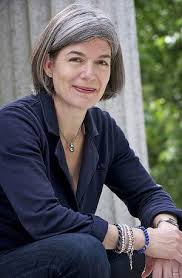
Amerikai regényíró, irodalom és kreatív írás tanár.
Claire Messud 1966-ban született az Egyesült Államokban. Gyerekkorát az USA-ban, Ausztráliában és Kanadában töltötte, kamaszként tért vissza az Államokba. Harmadik regénye, A király gyermekei 2006-ban a Man Booker-díj jelöltje volt. Az írás mellett egyetemi oktató. Gyermekével és irodalmár férjével Massachusettsben él.
A Magvető Kiadónál megjelent művei
A király gyermekei (2013)
Claire Messud 1966-ban született az Egyesült Államokban. Gyerekkorát az USA-ban, Ausztráliában és Kanadában töltötte, kamaszként tért vissza az Államokba. Harmadik regénye, A király gyermekei 2006-ban a Man Booker-díj jelöltje volt. Az írás mellett egyetemi oktató. Gyermekével és irodalmár férjével Massachusettsben él.
A Magvető Kiadónál megjelent művei
A király gyermekei (2013)
Új vásárló vagyok!
új vásárlóval indíthatsz rendelést............