
kategória
szerző
cím
sorozat
betöltés...
kiadó
betöltés...
ISBN
évszám
ár
-
leírás
Előrendelhető
A mezők bármelyike illeszkedjen
A mezők mind illeszkedjen


![William Golding - Lord of the Flies [antikvár]](https://lira.erbacdn.net/upload/M_28/rek1/706/5020706.jpg "William Golding - Lord of the Flies [antikvár]")

Introduction
The urge to put things into catégories seems to satisfy some deep human need and in this matter at least, critics and historians of literature are very human people indeed. A brief glancé at the English Literature section of any library catalogue will show what I mean. There we find literature divided up into various kinds of writings, and within the kinds we have historical periods, and within the periods we have groups or movements, and within the groups individuáis who write various kinds. . . . Now up to a point of...
online ár:
Webáruházunkban a termékek mellett feltüntetett fekete színű online ár csak internetes megrendelés esetén érvényes.
3440 Ft

Részletesen erről a termékről
Bővebb ismertető
Introduction
The urge to put things into catégories seems to satisfy some deep human need and in this matter at least, critics and historians of literature are very human people indeed. A brief glancé at the English Literature section of any library catalogue will show what I mean. There we find literature divided up into various kinds of writings, and within the kinds we have historical periods, and within the periods we have groups or movements, and within the groups individuáis who write various kinds. . . . Now up to a point of course this sort of classification serves a very useful purpose. We need a map if we are going to do any exploring, and the fact that it is the countryside we have come to enjoy, not the map, doesn't make the map any less necessary. If we take out a map of The Novel we find, if it is a general one, that it falls into three sections—the eight-eenth-century novel, the Victorian novel, and the modera novel. And these descriptions point not simply to three centuries, but to decisive changes that have taken place within the form of the novel. These changes are often due to historical circumstances, and sometimes they can be des-cribed in terms of the ruling ideas of the age or the literary expectations of the readers, but there are other changes and
i
Termékadatok
Cím: Lord of the Flies [antikvár]
Szerző:
William Golding
Kiadó: Faber and Faber
Kötés: Ragasztott papírkötés
ISBN: 0571056865
Méret: 120 mm x 190 mm
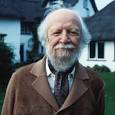
Sir William Gerald Golding (1911. szeptember 19. – 1993. június 19.) irodalmi Nobel-díjas brit regényíró, költő. Legismertebb műve A Legyek Ura. Booker-díjjal tüntették ki 1980-ban Beavatás című regényéért, amely A Föld határáig trilógia első kötete.
Sir William Gerald Golding (St Columb Minor, Egyesült Királyság, 1911. szeptember 19. – Perranarworthal, Egyesült Királyság, 1993. június 19.) irodalmi Nobel-díjas brit regényíró, költő. Legismertebb műve A Legyek Ura. Booker-díjjal tüntették ki 1980-ban Beavatás (Rites of Passage) című regényéért, amely A Föld határáig (To the Ends of the Earth) trilógia első kötete.
Sir William Gerald Golding (St Columb Minor, Egyesült Királyság, 1911. szeptember 19. – Perranarworthal, Egyesült Királyság, 1993. június 19.) irodalmi Nobel-díjas brit regényíró, költő. Legismertebb műve A Legyek Ura. Booker-díjjal tüntették ki 1980-ban Beavatás (Rites of Passage) című regényéért, amely A Föld határáig (To the Ends of the Earth) trilógia első kötete.
Új vásárló vagyok!
új vásárlóval indíthatsz rendelést............