
kategória
szerző
cím
sorozat
betöltés...
kiadó
betöltés...
ISBN
évszám
ár
-
leírás
Előrendelhető
A mezők bármelyike illeszkedjen
A mezők mind illeszkedjen


![William Golding - Pincher Martin [antikvár]](https://lira.erbacdn.net/upload/M_28/rek1/382/4644382.jpg "William Golding - Pincher Martin [antikvár]")

/I
H e was struggling in every direction, he was the centre of the writhing and kicking knot of his own body. There was no up or down, no light and no air. He felt his mouth open of itself and the shrieked word burst out.
"Help!"
When the air had gone with the shriek, water came in to fill its place—burning water, hard in the throat and mouth as stones that hurt. He hutched his body towards the place where air had been but now it was gone and there was nothing but black, choking welter. His body let loose its panic and his mouth...
online ár:
Webáruházunkban a termékek mellett feltüntetett fekete színű online ár csak internetes megrendelés esetén érvényes.
2480 Ft

Részletesen erről a termékről
Bővebb ismertető
/I
H e was struggling in every direction, he was the centre of the writhing and kicking knot of his own body. There was no up or down, no light and no air. He felt his mouth open of itself and the shrieked word burst out.
"Help!"
When the air had gone with the shriek, water came in to fill its place—burning water, hard in the throat and mouth as stones that hurt. He hutched his body towards the place where air had been but now it was gone and there was nothing but black, choking welter. His body let loose its panic and his mouth strained open till the hinges of his jaw hurt. Water thrust in, down, without mercy. Air came with it for a moment so that he fought in what might have been the right direction. But water reclaimed him and spun so that knowledge of where the air might be was erased completely. Turbines were screaming in his ears and green sparks flew out from the centre like tracer. There was a piston engine too, racing out of gear and making the whole universe shake. Then for a moment there was air like a cold mask against his face and he bit into it. Air and water mixed, dragged down into his body like gravel. Muscles, 7
Termékadatok
Cím: Pincher Martin [antikvár]
Szerző:
William Golding
Kiadó: Faber and Faber Limited
Kötés: Ragasztott papírkötés
Méret: 120 mm x 180 mm
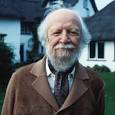
Sir William Gerald Golding (1911. szeptember 19. – 1993. június 19.) irodalmi Nobel-díjas brit regényíró, költő. Legismertebb műve A Legyek Ura. Booker-díjjal tüntették ki 1980-ban Beavatás című regényéért, amely A Föld határáig trilógia első kötete.
Sir William Gerald Golding (St Columb Minor, Egyesült Királyság, 1911. szeptember 19. – Perranarworthal, Egyesült Királyság, 1993. június 19.) irodalmi Nobel-díjas brit regényíró, költő. Legismertebb műve A Legyek Ura. Booker-díjjal tüntették ki 1980-ban Beavatás (Rites of Passage) című regényéért, amely A Föld határáig (To the Ends of the Earth) trilógia első kötete.
Sir William Gerald Golding (St Columb Minor, Egyesült Királyság, 1911. szeptember 19. – Perranarworthal, Egyesült Királyság, 1993. június 19.) irodalmi Nobel-díjas brit regényíró, költő. Legismertebb műve A Legyek Ura. Booker-díjjal tüntették ki 1980-ban Beavatás (Rites of Passage) című regényéért, amely A Föld határáig (To the Ends of the Earth) trilógia első kötete.
Új vásárló vagyok!
új vásárlóval indíthatsz rendelést............