
kategória
szerző
cím
sorozat
betöltés...
kiadó
betöltés...
ISBN
évszám
ár
-
leírás
Előrendelhető
A mezők bármelyike illeszkedjen
A mezők mind illeszkedjen


![Plato - The Last Days of Socrates [antikvár]](https://lira.erbacdn.net/upload/M_28/rek1/19/4895019.jpg "Plato - The Last Days of Socrates [antikvár]")

introductionThe fifth century before Christ was a period of extraordinary activity and achievement in the Greek world, A new spirit of enterprise, inspired by the defeat of the great Persian invasion, led to rapid development and expansion in every department of life. This spirit had its focus in Athens, where, under the guidance of Pericles, political and commercial prosperity was crowned with the most perfect flowers of art and literature; but everywhere men's minds were restlessly experimenting and reaching out for knowledge. By the middle...
online ár:
Webáruházunkban a termékek mellett feltüntetett fekete színű online ár csak internetes megrendelés esetén érvényes.
2980 Ft

Részletesen erről a termékről
Bővebb ismertető
introductionThe fifth century before Christ was a period of extraordinary activity and achievement in the Greek world, A new spirit of enterprise, inspired by the defeat of the great Persian invasion, led to rapid development and expansion in every department of life. This spirit had its focus in Athens, where, under the guidance of Pericles, political and commercial prosperity was crowned with the most perfect flowers of art and literature; but everywhere men's minds were restlessly experimenting and reaching out for knowledge. By the middle of the century science and philosophy - still indistinguishable and less than 150 years old - had made considerable progress, especially in the direction of physics. Lacking instruments of precision, such as the microscope, Greek thinkers could only proceed by simple observation and reasoning; yet they were already close to a reasonable atomic theory. But the mass of experience and collected information was not co-ordinated, and speculation followed different lines in different schools of thought, which had little in common except confidence in their own doctrines and a hearty contempt for the theories of others. The conflict of voices was stimulating but extremely confusing, and the ordinary man really did not know whom or what to believe.In this intellectual ferment there arose a new class of people called Sophists or Wise Men. They were not - at least not essentially - philosophers or scientists, but professional itinerant teachers. Many were really able and had something positive and valuable to impart; but others encouraged scepticism by stressing the two-sidedness of every question, or undermined faith in teal values by preaching a kind of subjectivism or relativism. On the whole their outlook was at once superficial and practical; they said in effect' Knowledge is impossible, but I can show you how to make the most of yourself'. So they aimed at producing cleverness and efficiency rather than wisdom and goodness; and they charged fees for their services - which shocked the philosophers, but was good psychology as well as good ousiness, since people take seriously what they have to pay for. In short, the old religious and moral ideals were giving way to a creed of
Termékadatok
Cím: The Last Days of Socrates [antikvár]
Kiadó: Penguin Books Ltd.
Kötés: Ragasztott papírkötés
ISBN: 0140440372
Méret: 110 mm x 180 mm
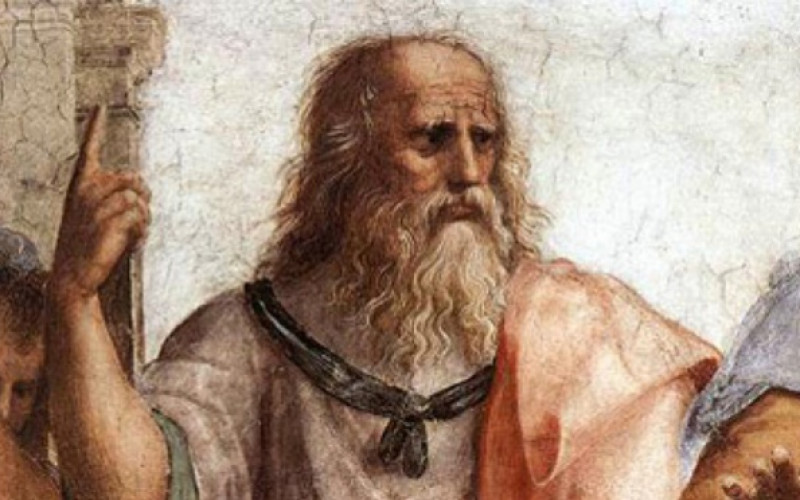
Platón, ókori görög filozófus, iskolaalapító. Hatása jelentős volt az ókori és a középkori filozófiára, művei manapság is viták és filozófiai vizsgálódások tárgyát képezik. Munkásságának nemcsak társadalomtudományi, hanem irodalmi értéke is nagy jelentőséggel bír.
Új vásárló vagyok!
új vásárlóval indíthatsz rendelést............