
kategória
szerző
cím
sorozat
betöltés...
kiadó
betöltés...
ISBN
évszám
ár
-
leírás
Előrendelhető
A mezők bármelyike illeszkedjen
A mezők mind illeszkedjen


![Rupert Sheldrake - The Presence of the Past [antikvár]](https://lira.erbacdn.net/upload/M_28/rek1/46/4837046.jpg "Rupert Sheldrake - The Presence of the Past [antikvár]")

INTRODUCTION
The Habits of Nature
"They say that habit is second nature. Who knows but nature is only first habit?"
—Blaise Pascal, Pensées
This book explores the possibility that memory is inherent in nature. It suggests that natural systems, such as termite colonies, or pigeons, or orchid plants, or insulin molecules, inherit a collective memory from all previous things of their kind, however far away they were and however long ago they existed. Because of this cumulative memory, through repetition the nature of things becomes...
online ár:
Webáruházunkban a termékek mellett feltüntetett fekete színű online ár csak internetes megrendelés esetén érvényes.
3440 Ft

Részletesen erről a termékről
Bővebb ismertető
INTRODUCTION
The Habits of Nature
"They say that habit is second nature. Who knows but nature is only first habit?"
—Blaise Pascal, Pensées
This book explores the possibility that memory is inherent in nature. It suggests that natural systems, such as termite colonies, or pigeons, or orchid plants, or insulin molecules, inherit a collective memory from all previous things of their kind, however far away they were and however long ago they existed. Because of this cumulative memory, through repetition the nature of things becomes increasingly habitual. Things are as they are because they were as they were.
Thus habits may be inherent in the nature of all living organisms, in the nature of crystals, molecules, and atoms, and indeed in the entire cosmos.
A beech seedling, for example, as it grows into a tree takes up the characteristic shape, structure, and habits of a beech. It is able to do so because it inherits its nature from previous beeches; but this inheritance is not just a matter of chemical genes. It depends also on the transmission of habits of growth and development from countless beech trees that existed in the past.
Likewise, as a swallow grows up, it flies, feeds, preens, migrates, mates, and nests as swallows habitually do. It inherits the instincts of its species through invisible influences, acting at a distance, that make the behaviour of past swallows in some sense present within it. It draws on and is shaped by the collective memory of its species.
All humans too draw upon a collective memory, to which all in turn contribute.
Termékadatok
Cím: The Presence of the Past [antikvár]
Szerző:
Rupert Sheldrake
Kiadó: Times Books
Kötés: Félvászon
ISBN: 0812916662
Méret: 170 mm x 240 mm
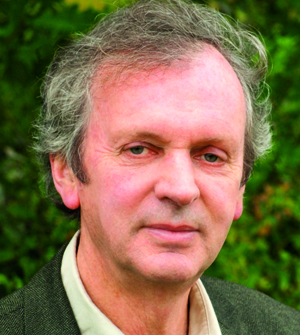
Rupert Sheldrake, a Royal Society (az angol Királyi Természettudományos Akadémia) korábbi kutatója és a Camdridge-i Egyetem biokémiai és sejtbiológiai tanszékének egykori igazgatója, számos könyv szerzője. Két jól ismert munkája a The Rebirth of Nature (A természet újjászületése) és az A New Science of Life (A földi élet újfajta tudományos megközelítése) című kötet. Rupert Sheldrake Londonban él.
Új vásárló vagyok!
új vásárlóval indíthatsz rendelést............